


Blog
Common Composite Door Problems & How to Prevent Them
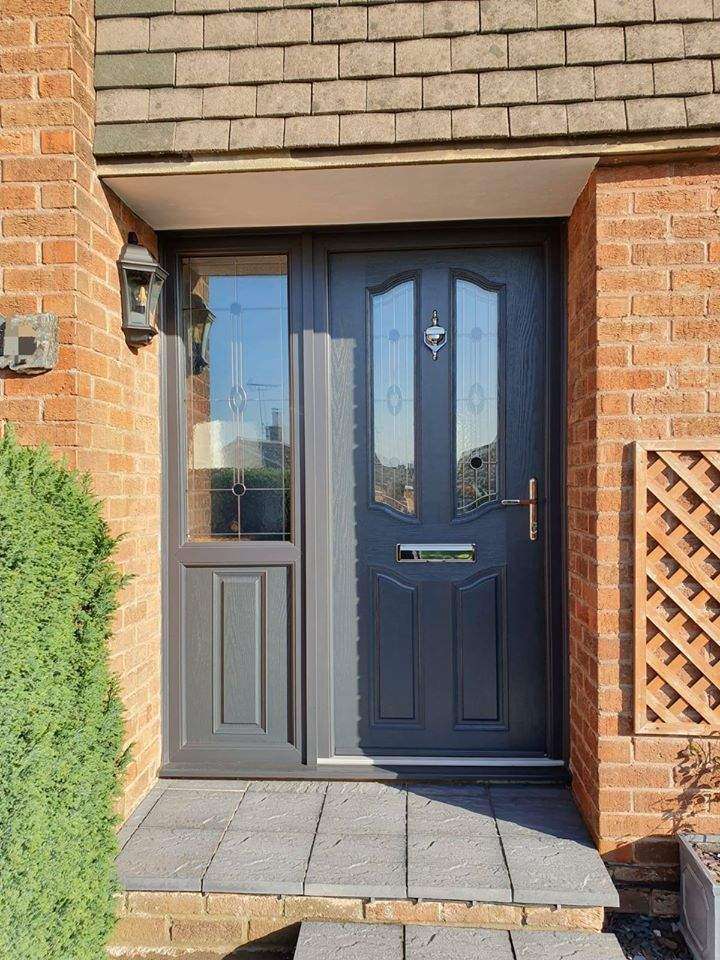
COMMON PROBLEMS WITH COMPOSITE DOORS
The right front door can help make any house a home. Here at Apeer, we believe that the right composite door can do just that.
Composite doors have been designed to be easy to maintain, highly secure, and offer great thermal efficiency. However, like many things around the home, you may likely start to experience a few problems with a composite door over time; a very long time, but still, something to be aware of.
Don’t let this put you off buying a composite front door. We wanted to highlight some of the common problems composite doors, just like any regular front door, have. In this article, we will highlight some of the common issues and offer guidance on how to overcome them, so you can become a composite door expert!
Before we get there, it helps to know just what we’re referring to when we talk about composite doors.
What is a composite door?
What are composite doors is a question we are often asked. Composite doors are made of more than one material, which allows for the combination of different materials to counteract common problems (security, durability, non-weather-proof) found in uPVC/ timber doors and bring advantages to the structure. Combining the materials makes these doors a stronger, more durable, long-lasting choice.
There are a lot of choices when it comes to composite doors. You can see our most popular doors to get an idea of how they look in different homes.
What are composite doors made of?
What is a composite door made of is another question we are frequently asked. Our composite doors are made from fibreglass with a high-quality polyurethane core. Fibreglass offers many different benefits, such as security and increased durability while also being waterproof and windproof. It is less likely to warp or bow, a common problem you’re likely to experience with a uPVC or timber door.
What problems do composite doors have?
Composite doors rarely have problems, but there’s a very slim chance you can encounter similar problems to traditional doors, namely:
- Door swelling
- Door warping
- Sticky locks
- Dropped hinges or doors not closing properly
- Door Staining
- Worn seals/gaskets
- Blocked drainage holes
And here is how you deal with these types of composite door problems:
Door swelling in the sun
One of the most common door problems across composite, uPVC, and timber doors is swelling during those hot summer days.
The truth is, pretty much any kind of door can swell, and it’s important to know why, as you could already be seeing it in your home.
One of the main reasons a composite door swells is because it is oversized. As the sun shines down on your doors, they will naturally swell and expand, which can make it difficult for the door to open or close. If any door will be south-facing, you need to make sure you’re buying a door that allows for natural swelling.
Composite doors can also swell when they aren’t closed properly. To close your composite door properly, you need to throw the handle up all the way.
DOOR WARPING
Good quality composite doors such as the Apeer Doors should never warp, they are build to be UV-ray resistant. However, that’s not to say that composite doors can’t warp, some do.
If you are seeing signs that your door is about to warp, it can be due to factors such as moisture changes, excessive heat, not properly closing the door or due to your door not being manufactured with the best materials or finishes.
One thing you can control is closing your door properly, as how you close any door can lead to warping or bowing damage. With the likes of a composite door, pull the handle (also known as throwing the handle) up when the door is closed. This ensures the locks are fully engaged, a simple preventative measure that can save you the heartache of damage down the line.
When doors are closed properly, you run the risk of leaving the door resting on a latch that only holds the middle of the door in place, leaving the top and bottom of the door to warp or swell in the heat. By throwing the handle each time you close the door, you can save money long-term!
My locks are sticking
Just because composite doors are easy to maintain, it doesn’t mean you should hold off on basic maintenance. After all, you always want your Apeer doors looking their best.
Sticky locks are extremely inconvenient, infuriating at times and can lead to home security issues. By carrying out some simple maintenance on your composite door locks, you will avoid this common problem and increase your locks’ lifespan.
A common choice for lubricating your locks will be WD-40, but this can do more harm than good. At Apeer, we recommend using a grease lubricant if a composite door has a sticky lock, doing so once every six months.
For your door cylinder, never use grease or oil-based lubricants. Instead, use silicone or graphite-based lubricant.
Dropped hinges Or DOORS NOT CLOSING PROPERLY
Even with regular maintenance, it’s perfectly normal for door hinges to drop, and you can even fix this yourself with the correct tools.
Composite doors are fitted with self-lubricating bearings, meaning your hinges only require minimal maintenance. The hinges may likely drop when a composite door is in constant use. If this occurs, it’s solved with a minor hinge adjustment.
Like sticking locks, you need to carry out basic hinge maintenance from time to time, and you can do this by spraying the hinges with a light oil lubricant every couple of months.
If your composite door isn’t closing properly, you may need to adjust your door’s hinges. When they door needs a height adjustment, release the centre screws on each one of the hinges, lift the door to the desired height and secure the door in that position by using a wedge, then re-tighten the screws.
Door Staining
Natural wear and tear of composite doors are inevitable, and as a result, so is staining. Thankfully it’s not something you need to worry about, as there is a simple, quick fix.
Your composite door may be suffering from weather stains or even have muddy paw prints or dirty handprints in places. All you need to do is grab a clean cloth and mix a mild detergent with water to clean your door. If the stain proves to be stubborn, you may need to use something stronger and safe on composite doors to clean the stain.
Composite doors with stainless steel furniture or glazing trims can sometimes see tea staining. This is often confused for corrosion or rust; however, it is caused by a build-up of oxidised surface contaminants on stainless steel. You usually notice it on doors with knockers. Regularly cleaning any stainless steel elements on a composite door will reduce the likely hood of tea staining.
Worn weather seals or gaskets
Over time, the weather seals added to your composite door, designed to keep water from leaking into the home, can become dislodged. You need to check that the weather seals are correctly positioned on the door track regularly, and if not, you need to push the seal firmly back into the grooves in the track to prevent damage when opening/closing the door.
Blocked drainage holes
Like most exterior doors, composite doors come with a built-in drainage system that consists of slots and holes in the bottom of the door’s thresholds. These ensure any excess water runs off and stays outside the home. Once or twice a year, it’s recommended to check the drainage holes and remove any dirt.
Flush them with water to check if they’re working properly and if you’re still struggling, you can use a thin screwdriver to get those hard-to-reach places. If you find that there’s water pooling between the two gaskets/weather seals in your threshold, this is the most likely culprit!
Why choose a composite door for your home?
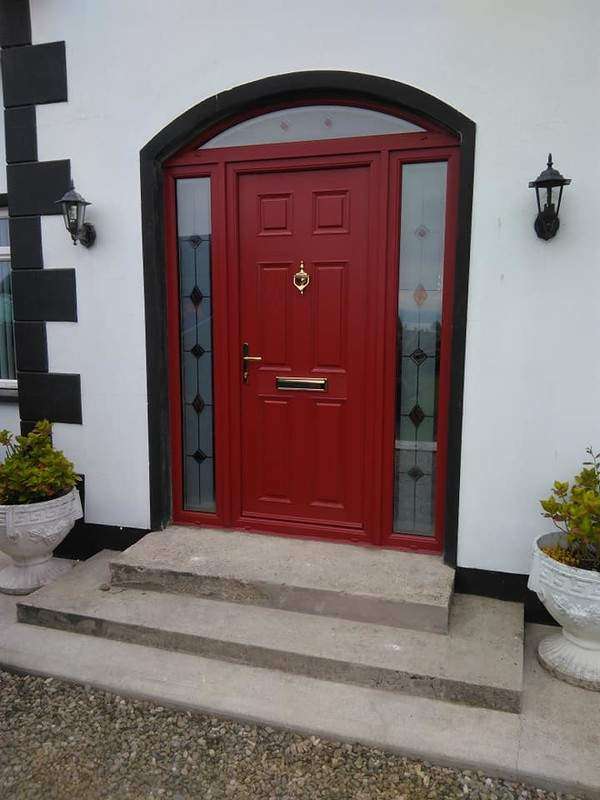
First impressions of your home count, and if you want to make sure your home’s exterior says all the right things, upgrading to a composite front door is a perfect choice.
Composite doors are a smart and advanced choice for your home. At Apeer, our front doors come with many colour choices with the most popular being Pink, Grey, Black, and Green. If you can’t find your desired shade, we can also colour match your door!
Is a composite door a good idea?
After reading through this, you may be left wondering if a composite door is a good idea. All the issues listed above are rare, and you’ll have noticed that they all are common door problems and not just composite door problems.
What are the advantages of having a composite door?
Composite doors have transformed the door industry thanks to their benefits and how well they transform the look of homes. If you need more convincing, here are a few advantages to installing a composite door:
- Built to last – The materials used in a composite door make them highly durable.
- Improves home security – At Apeer, security is a top priority, and every door comes with a multi-point locking system as well as a super-strong, high-density polyutherane core that far exceeds all police-approved security standards. Our doors are also as intruder-proof as they come!
- Versatile with many colour options – One of the common downsides of a uPVC door is that the look is uniform, you aren’t going to stand out amongst the other houses in your area with uPVC doors. There are far fewer design options compared to composite doors. Our door builder lets you bring your dream door to life!
- Resistance to fading and damage – By carrying out basic maintenance from time to time on your composite door, you will keep it looking as new as the day you had it installed!
- Weatherproof and watertight – Our double-sealed rebate makes our composite doors virtually airtight by creating an internal secondary seal.
- Energy-efficient – Along with a 70mm super-strong, high-insulating core, glass elements on our doors are triple glazed for extra insulation, and we offer an additional gas-filling service to further improve thermal performance.
Building your ideal composite door
At Apeer, our composite doors are fully customisable to meet your needs. If you have any questions or queries about buying a composite door, you can get in touch with us directly, and we will be happy to take you through a consultation!