


Blog
The Ultimate Guide to Composite Doors
Finding the perfect door for your forever home can be a difficult task with many options out there and so much to consider. At Apeer, we understand this struggle and we want to make sure you are buying a door that is durable, secure, easy to maintain and exceeds your expectations. There are a variety of door options available, with uPVC and composite being the popular favourites.
Alongside the type of door, we understand how important it is to find the perfect style and colour, which is why we offer a variety of styles and colours as well as a custom colour matching service, providing you with that reassurance you are getting exactly what you want. From our many years of experience, we are confident that composite doors are the best choice for all of our customers. In this article, we have put together some answers to all of your composite door queries to ensure you’re picking the best option for your home.
What is a composite door?
Composite doors are doors that are made of more than one material. This allows for the combination of different materials which counteract common problems found in uPVC/Timber doors, as well as bringing their own advantages to the structure. By combining materials, composite doors are therefore stronger and more durable, providing you with a thicker and long-lasting door.
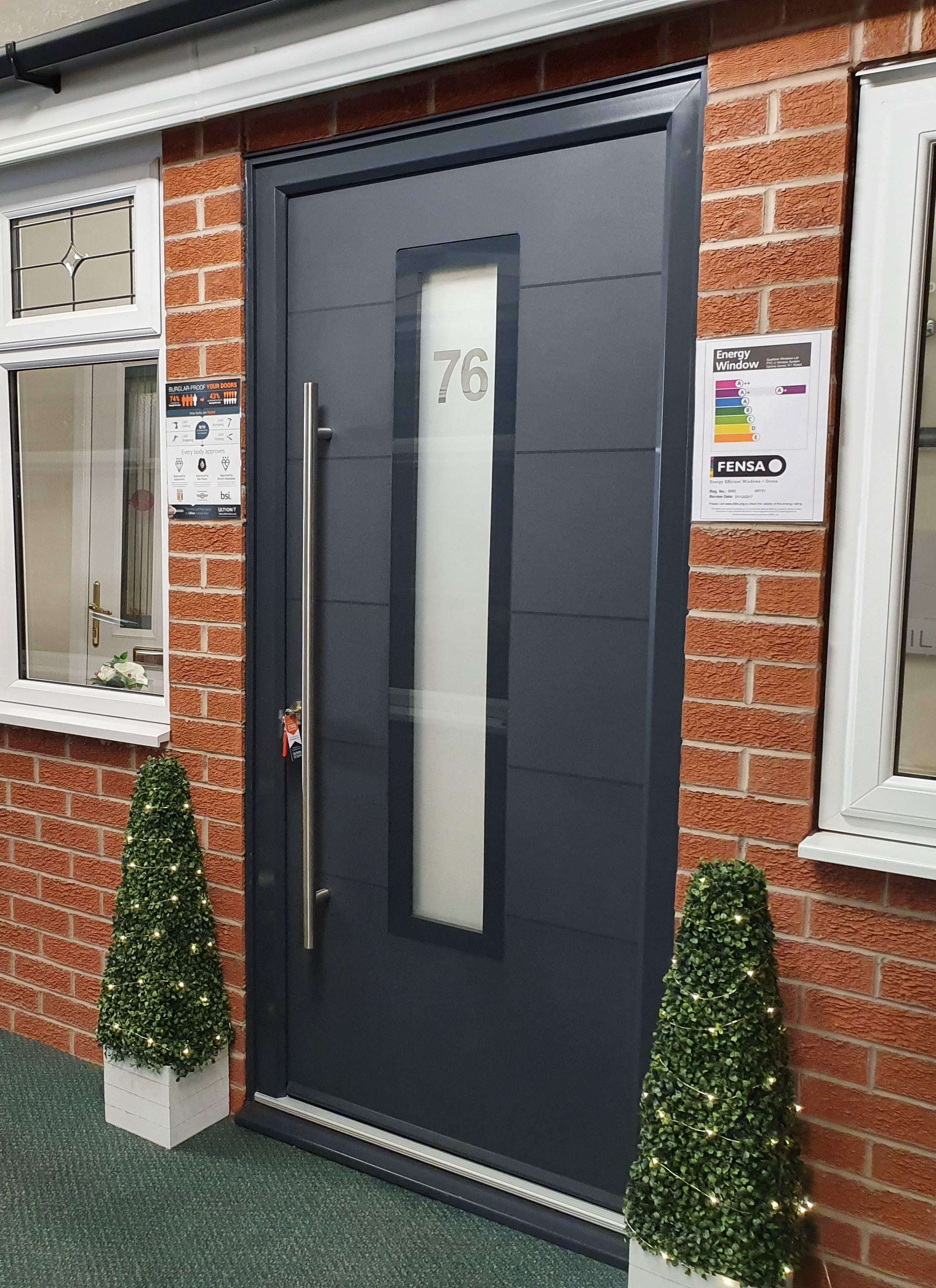
What are composite doors made of?
At Apeer, our traditional and contemporary doors are made from fibreglass and a high-density polyurethane core. While some suppliers may use a different combination of materials, a composite door is any door that uses more than one material.
We chose fibreglass as one of the main materials for our composite doors as it offers an array of benefits such as durability, security, and is both waterproof and windproof, ultimately making it a long-lasting solution for your home. Fibreglass does not warp or bow, which is one of the main issues you will find with a timber or uPVC door over time.
The other material we use is high-density polyurethane, which as well as adding strength and security to the door, is an excellent insulator that contributes to the low U–Values (thermal transmittance) of our doors.
What is the difference between UPVC & Composite doors?
Materials
Both uPVC and composite doors are firm favourites when it comes to doors and this is all down to the materials used within each of them. Composite and uPVC are designed with different materials that are tightly pressed and glued together, and the materials used ultimately impacts the durability and security of the door you choose for your home.
uPVC doors have been a classic and preferred door for years until the development of composite doors. uPVC doors are an attractive and affordable door choice that requires very little maintenance and are made mainly with plastic, however, composite doors have been a modern advancement, offering the same benefits as uPVC but at a higher standard. Composite doors tend to be thicker in their design, which offers a more robust, durable and weather-resistant door.
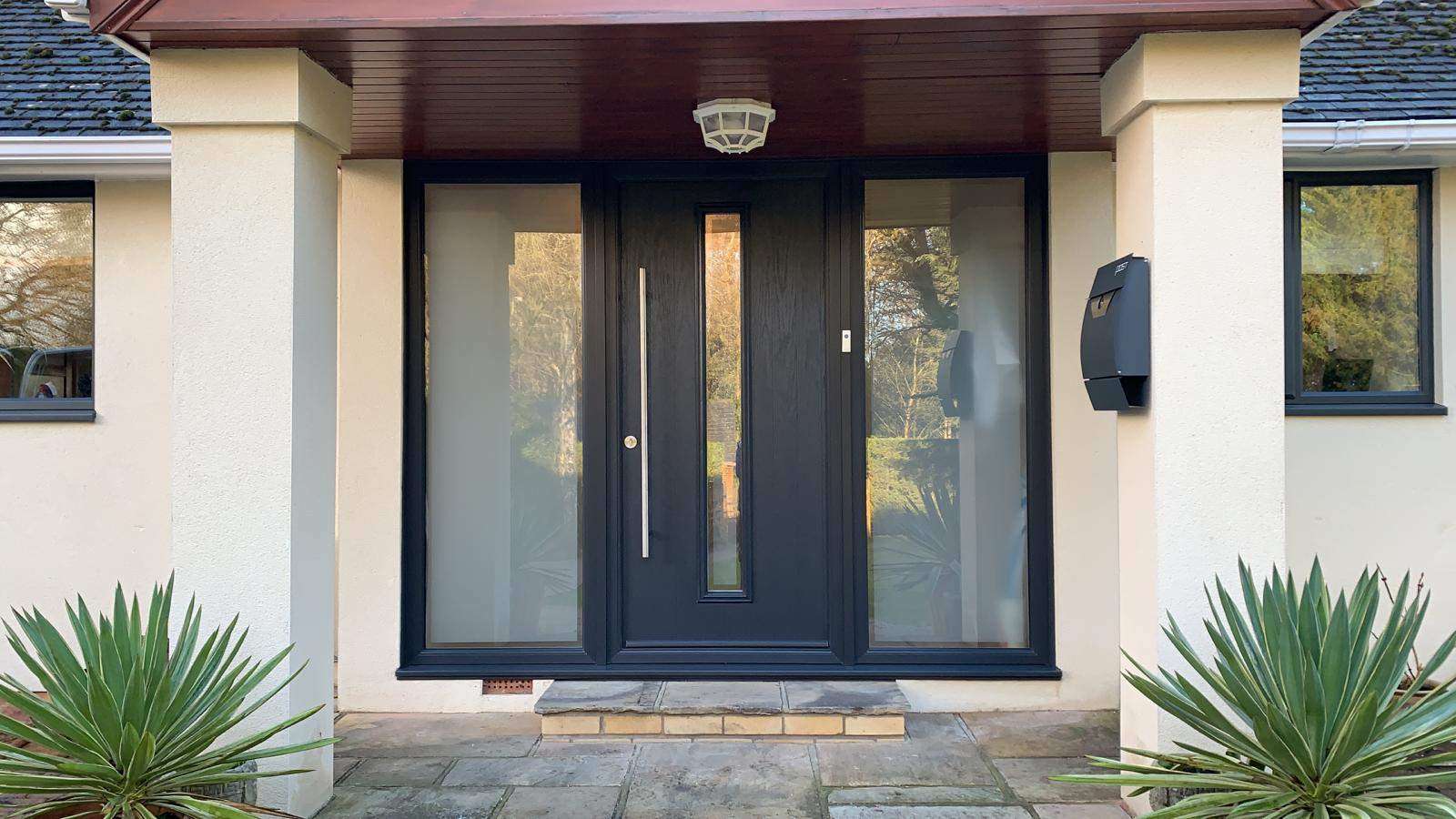
Security & Durability
When it comes to materials, our composite doors have a high-density polyurethane core which becomes rock-hard, resulting in a secure door. uPVC doors differ as they have a styrofoam core that tends to make them less durable. At Apeer, our composite doors are 70mm in thickness and include a multi-point locking system, anti-pick and anti-snap cylinders, providing you with a door that meets the police standard of security with Secured By Design as well as PAS24.
On top of this, you also get one of the most thermally efficient doors on the market. This all adds to the reassurance that you are purchasing a door that is secure and will protect your home against intruders.
Design & Colour
As for design, typically uPVC doors are white and if you want a coloured uPVC door, be prepared for a price increase, they are also all of similar styles which can be limiting and dated when trying to get a door to fit the style of your home. At Apeer, our composite doors come in a variety of styles from contemporary to traditional, available in a variety of different colours. As we have mentioned before, we have an extensive colour palette available for you to choose from or, if you know what colour it is you would like we would be happy to match this for you.
Considering the materials used, variety of styles and colours, composite doors are more expensive in comparison to uPVC doors. However, you are guaranteed to get a composite door that fits the interior and exterior style of your home, as well as a long-lasting solution. uPVC may be a cheaper alternative but its restricted design and drawbacks may result in you finding yourself in a situation whereby you want to update your door sooner than expected.
Can you paint a composite door?
Composite doors are designed and finished to a professional standard that will last forever in your home. At Apeer, we pride ourselves in our wide range of colours and our colour matching service ensures you get the perfect door for your home should we not stock the shade you’re looking for.
Composite doors can be painted if you fancy a change, however, often you may find it is recommended not to after some research. This is because the guarantee on the paint finish will be invalidated and you may find it difficult to achieve the exact professional quality and finish of the composite door’s original colour.
If you decide to go ahead and paint your composite door, it’s important that you use a paint that is designed specifically for composite doors with fibreglass skins and provides instructions on how to apply.
When you purchase a composite door from Apeer, we stock our very own two pack polyurethane paint should you decide you want to change the colour of your front door. Our paint pack will come with a paint and hardener, which you can mix, three parts paint to one part hardener, then apply it to your door. We recommend doing this on a dry day and leave for at least two hours to set.
How much does a composite door cost?
When considering the cost of composite doors, there are several different factors, such as the style, colour and composite door hardware, security extras and size.
At Apeer our composite doors are fully customisable to your needs. The best way to give yourself a rough estimate of your composite door price is to visit our door builder form – here you can input all the functionality, style and colour according to your preferences. With our door builder form, you can also see the front door on your home!
If you have any queries about buying a composite door, you can get in touch with us directly and we will be happy to take you through a consultation.